Most beginner cyclists waste money on gear they’ll barely use.
The truth is, you don’t need a garage full of gadgets to ride safely, comfortably, and confidently-you need the right few accessories that solve real problems from day one.
A good helmet, lights, lock, repair kit, and basic comfort upgrades can make the difference between a bike that gathers dust and a routine you actually enjoy.
This guide cuts through the clutter and shows you the best cycling accessories for beginners: what’s essential, what’s useful later, and what you can skip for now.
Beginner Cycling Accessories That Are Truly Essential for Safety and Comfort
The first accessories worth buying are the ones that prevent crashes, reduce injury risk, or make rides comfortable enough that you actually keep cycling. A properly fitted bike helmet, bright front and rear cycling lights, and a basic flat tire repair kit should come before upgrades like carbon bottle cages or premium cycling computers. If you ride near traffic, lights are not just for night rides-daytime visibility can make a real difference at junctions and roundabouts.
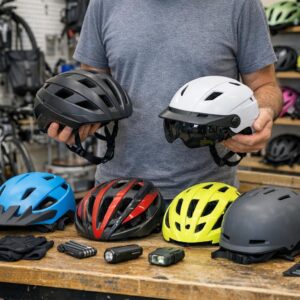
- Helmet: Choose one that meets recognized safety standards and sits level, not tilted back.
- Lights: A USB-rechargeable front light and flashing rear light are practical, low-maintenance safety devices.
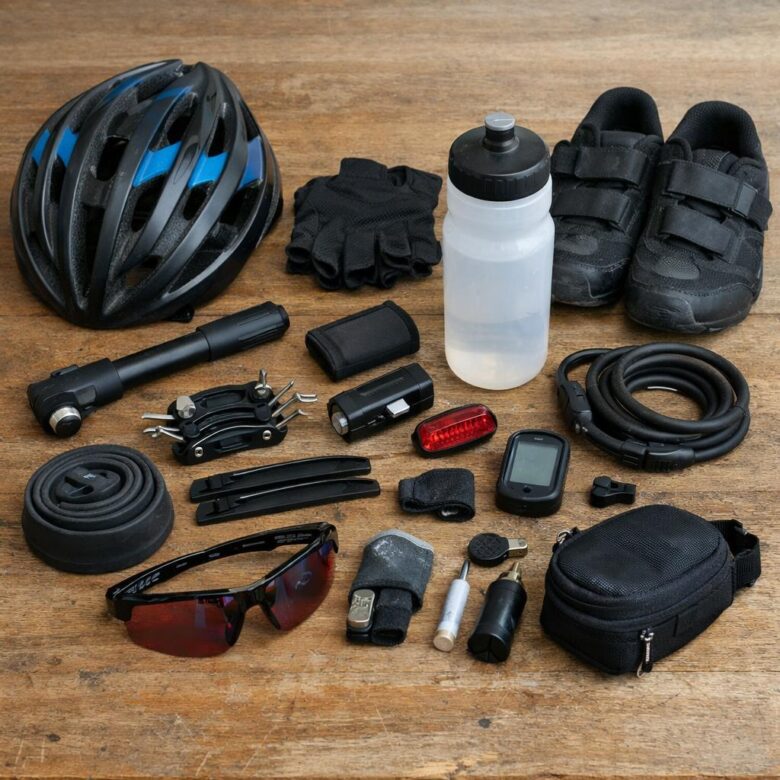
- Repair kit: Carry tire levers, a spare tube, mini pump or CO2 inflator, and a compact multi-tool.
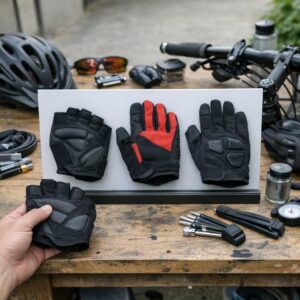
Comfort accessories matter too, especially for beginners doing longer weekend rides or commuting to work. Padded cycling shorts, gloves, and a water bottle with a secure cage can prevent sore hands, chafing, and dehydration. A real-world example: on a 45-minute commute, gloves can make rough roads far less tiring, while a small multi-tool can tighten a slipping saddle before it ruins the ride.
For tracking routes and ride safety, apps like Strava or a basic GPS bike computer can be useful, but they are secondary to visibility and repair gear. If your budget is limited, spend first on quality safety equipment and reliable maintenance tools rather than expensive performance accessories. The best beginner cycling gear is simple: it helps you stay seen, stay comfortable, and get home without calling for a ride.
How to Build a Practical Starter Kit for Road, Commuter, or Casual Riding
A good beginner cycling kit should match how you actually ride, not what looks impressive online. For road cycling, prioritize safety, flat repair, hydration, and basic performance tracking; for commuting, shift more of the budget toward theft prevention, visibility, and weather protection.
Start with the items that solve expensive or ride-ending problems first. A quality helmet, front and rear USB rechargeable bike lights, a mini pump or CO₂ inflator, tire levers, spare tube, and a compact multi-tool are the core pieces I’d buy before accessories like cycling computers or upgraded pedals.
- Road riding: repair kit, bottle cages, padded shorts, floor pump, and a phone mount or Garmin Edge GPS bike computer.
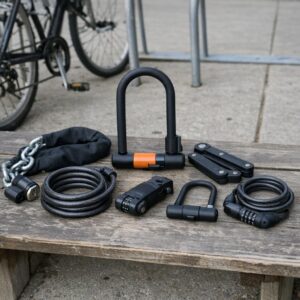
- Commuting: U-lock, bright lights, fenders, small pannier or backpack, and basic bike insurance if you park in public areas.
- Casual riding: comfortable saddle, bell, water bottle, simple tool kit, and a reliable helmet.
One real-world example: if you ride five miles to work, a premium carbon bottle cage matters far less than a strong lock and waterproof storage for your laptop. I’ve seen new riders spend heavily on performance accessories, then get stuck walking home because they skipped a $10 spare tube.
Think in terms of total ownership cost, not just purchase price. Accessories that reduce repair bills, prevent theft, or keep you visible in traffic usually offer the best value for beginner cyclists.
Common Beginner Gear Mistakes: What to Skip, Upgrade, or Buy Later
One of the biggest beginner mistakes is buying too much cycling gear before you know how you actually ride. I’ve seen new riders spend money on carbon bottle cages, expensive cycling shoes, and a GPS bike computer, then realize they mostly do short weekend rides where a phone mount and basic flat pedals would have worked fine.
Start with safety and maintenance first: a quality helmet, front and rear bike lights, a puncture repair kit, mini pump, and a basic multi-tool. If your budget allows, a reliable floor pump with a pressure gauge is a smarter early purchase than flashy upgrades because correct tire pressure improves comfort, grip, and reduces flat tire risk.
- Skip for now: aero accessories, race jerseys, carbon upgrades, and premium cycling sunglasses unless you ride often.
- Upgrade early: saddle comfort, tires, brake pads, lights, and a secure bike lock if you commute or park outside.
- Buy later: clipless pedals, indoor trainers, bike computers like Garmin Edge, and power meters after your riding habits are clear.
A practical example: if you ride to work, spending more on a Sold Secure-rated lock and waterproof pannier bag has better real-world value than buying lightweight performance parts. For home maintenance, consider a torque wrench only if your bike has carbon components; otherwise, a basic tool kit and chain lube will cover most beginner repair needs without adding unnecessary cost.
Summary of Recommendations
The best beginner cycling accessories are the ones that make every ride safer, more comfortable, and easier to repeat. Start with the essentials before buying extras: a well-fitting helmet, lights, basic repair tools, a lock, and a way to carry water.
If an accessory solves a real problem you already have, it is worth considering. If it only looks nice or adds complexity, wait. Ride a few weeks, notice what slows you down or makes you uncomfortable, then upgrade with purpose. That approach saves money and helps you build a setup that actually matches how you ride.

Dr. Sterling Brooks is a Doctor of Mechanical Engineering (PhD) and a high-performance cycling consultant. He specializes in bicycle kinematics and structural integrity, applying advanced engineering principles to simplify complex bike maintenance. His mission is to provide cyclists with the technical expertise needed to ensure their gear is as efficient and reliable as the athletes who ride them.