
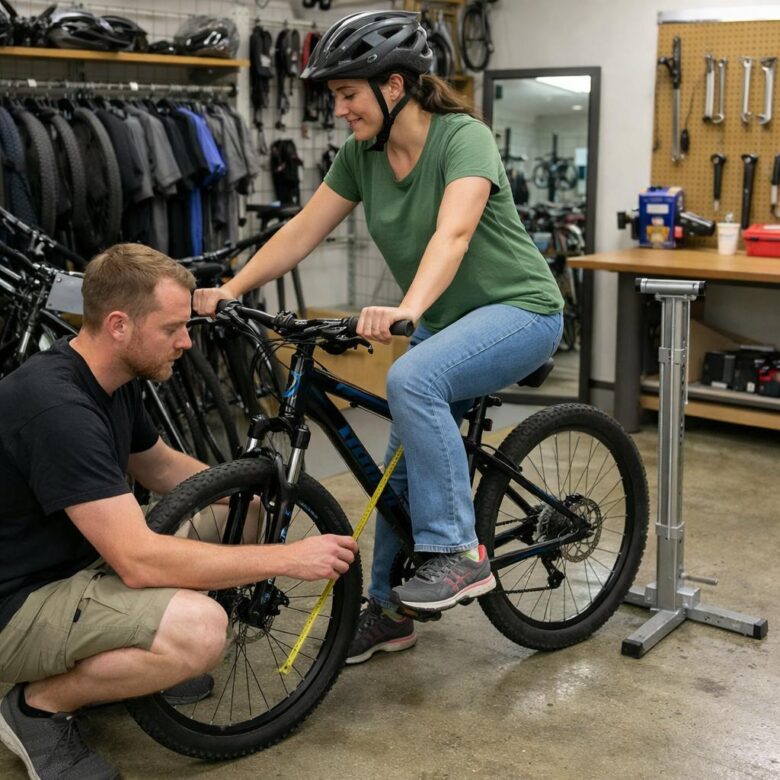
Choose a bike size by matching your height and inseam to the maker’s chart, then test standover clearance, reach, and saddle height for safe, efficient comfort.
Month: May 2026
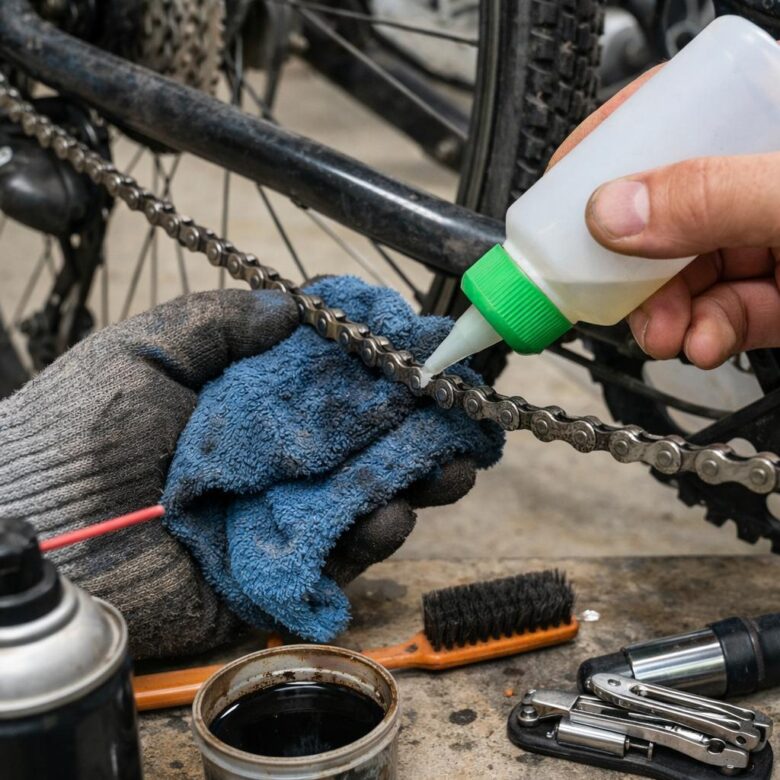
Clean and lubricate your bike chain every 100-150 miles, after wet rides, or whenever it sounds gritty. Regular care cuts drivetrain wear and keeps shifting smooth.
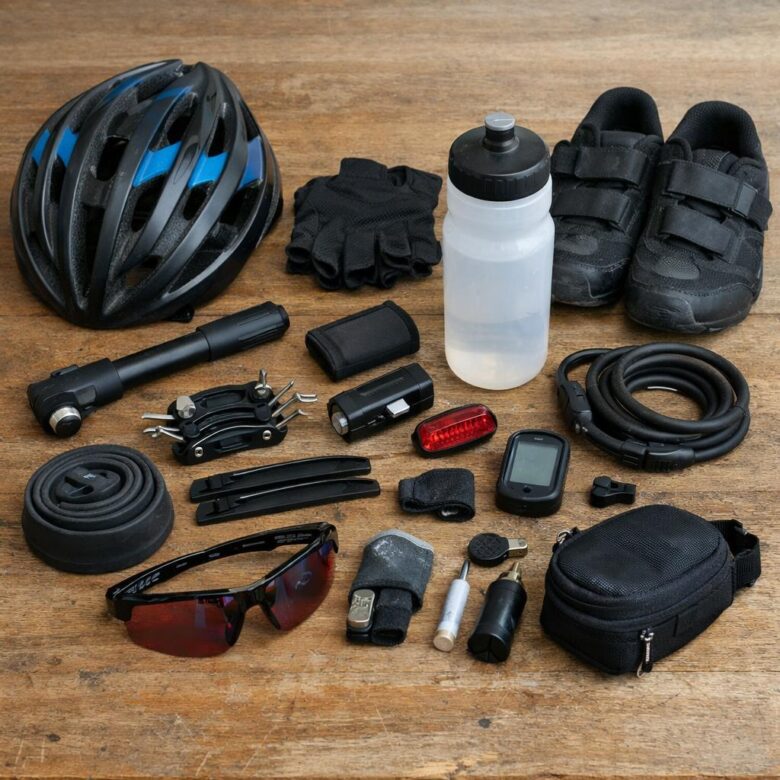
Beginner cycling accessories should prioritize safety and reliability: a fitted helmet, lights, mini pump, spare tube, tire levers, and water bottle cage.
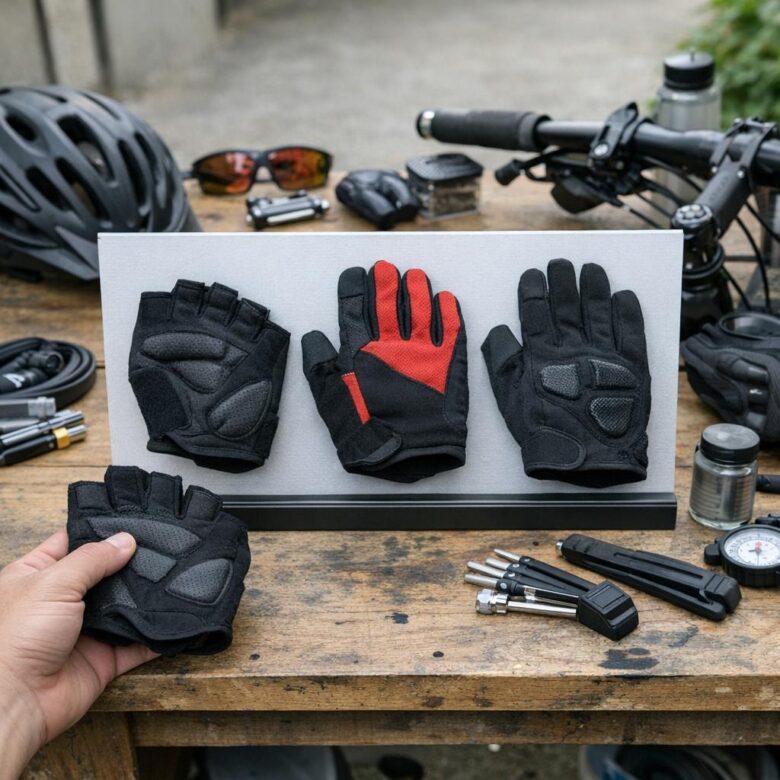
Cycling gloves improve grip, reduce vibration, protect palms in falls, and manage sweat. Choose padding, fit, breathability, and weather coverage to match your ride.
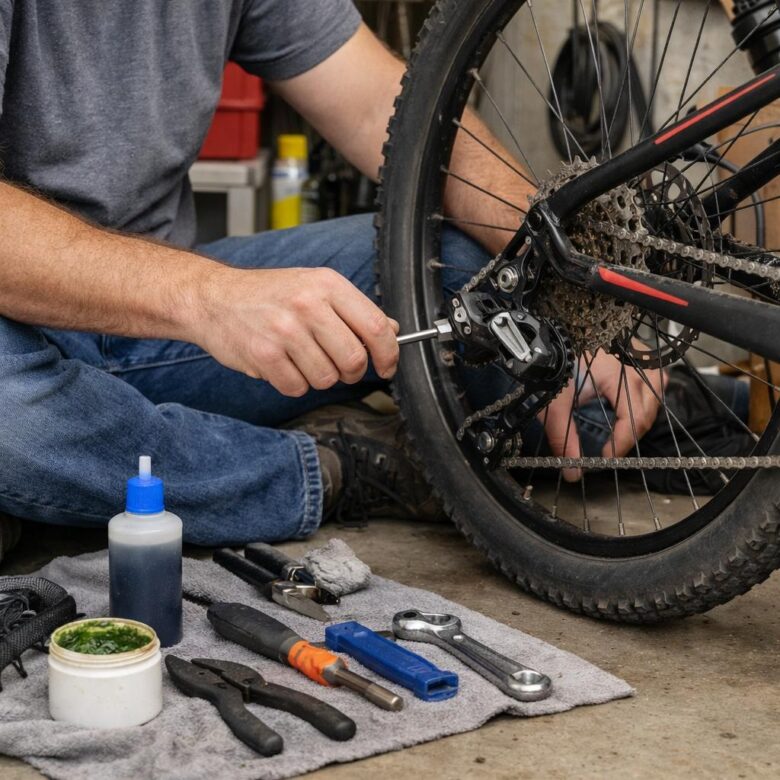
Home bike maintenance starts with clean chains, correct tire pressure, reliable brakes, and tight bolts. Learn simple checks that keep rides smooth, safe, and repair costs low.
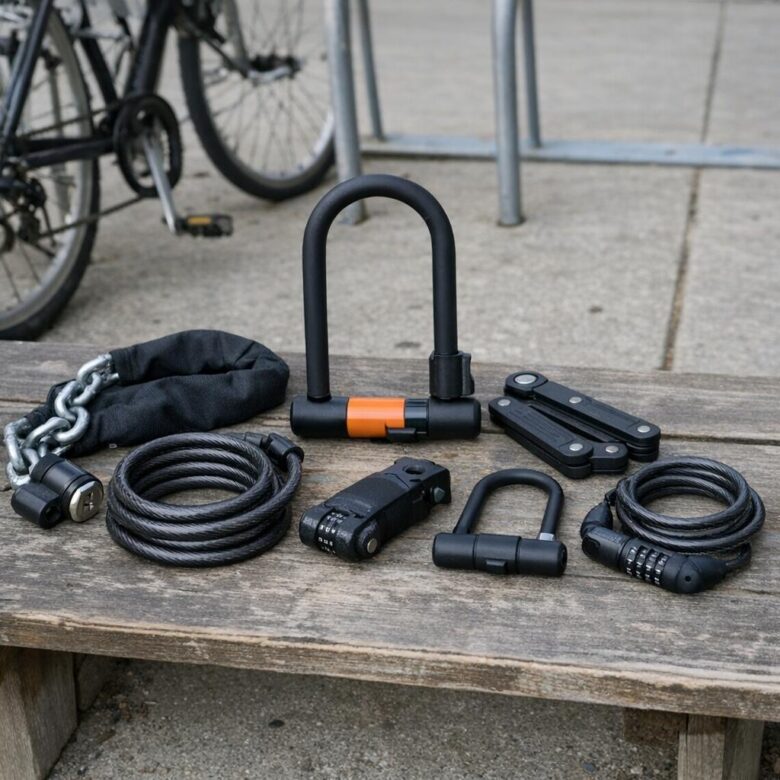
Choose a bike lock based on risk and routine: a hardened U-lock for daily stops, plus a cable or chain for wheels. Prioritize ratings, fit, and carry weight.
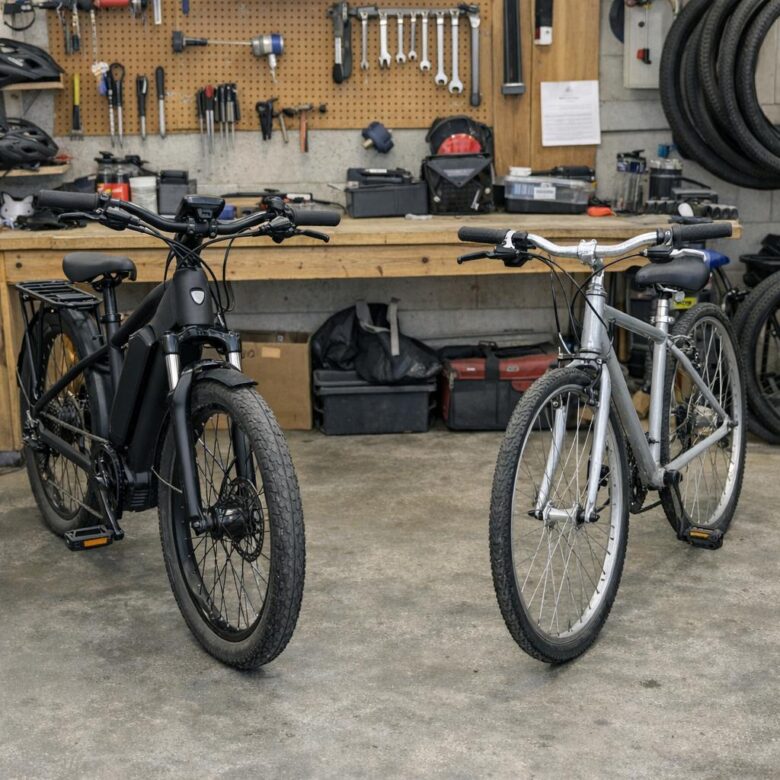
Electric bikes ease hills and longer commutes, while regular bikes offer lower cost, simpler upkeep, and a purer workout. Choose based on distance, fitness goals, and budget.
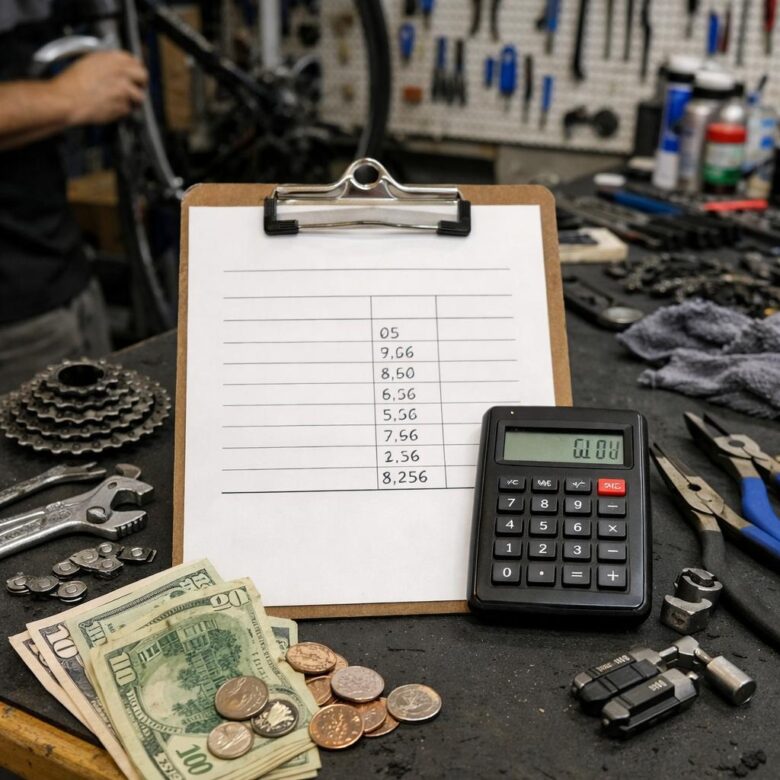
Bike maintenance costs vary by ride frequency and parts wear, but most cyclists spend $100-$300 annually on tune-ups, chain care, brake pads, tires, and adjustments.
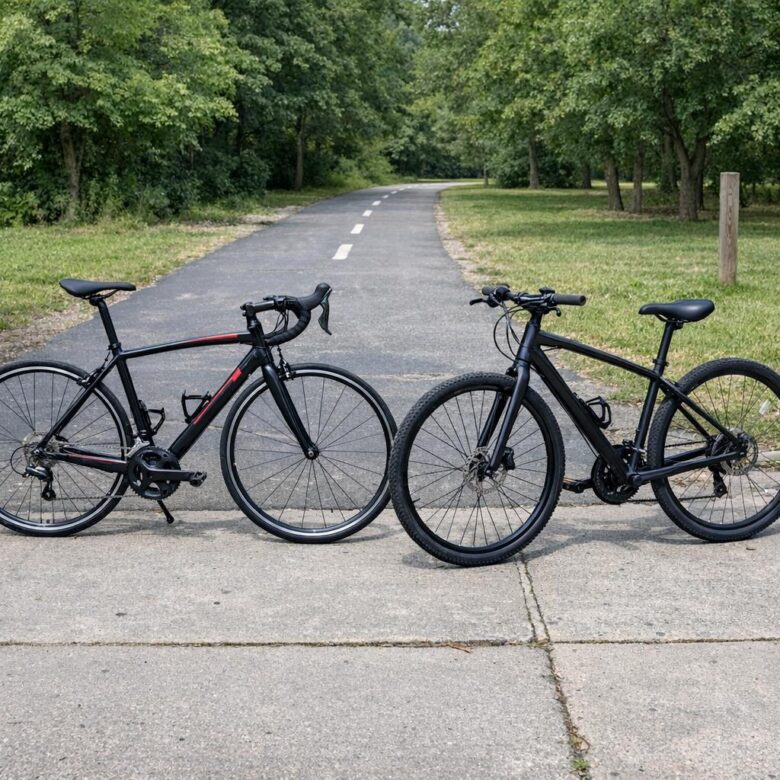
Road bikes excel in speed and long commutes, while hybrid bikes offer comfort, control, and versatility for daily errands and mixed urban routes.
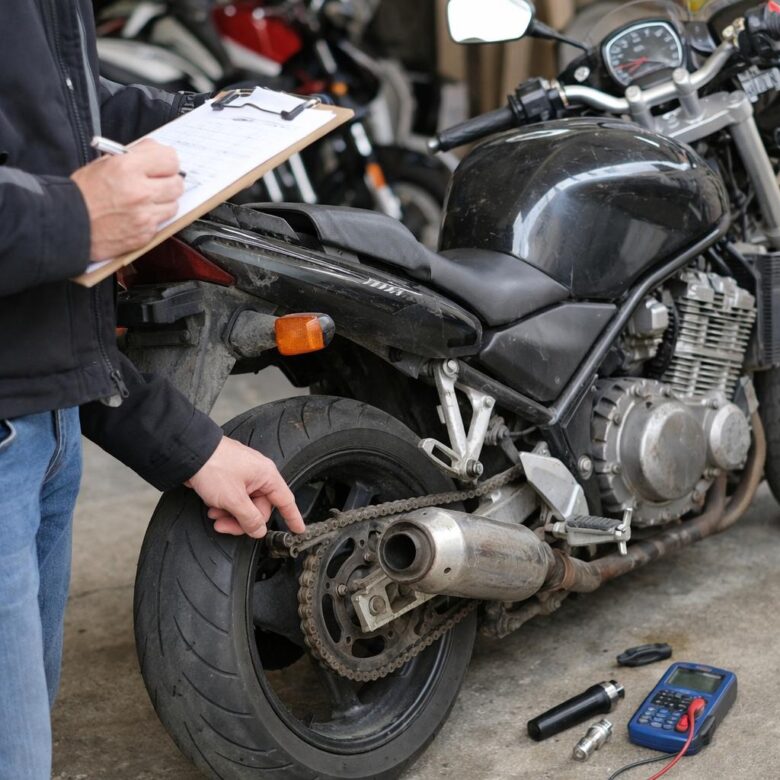
Before paying: check the frame for cracks, drivetrain wear, brakes, wheels, tires, and suspension. Verify the serial number, service history, and test ride for noise or poor shifting.