Numb fingers, sweaty palms, and one bad crash can teach you fast: cycling gloves are not optional.
The right pair improves grip, reduces road vibration, protects your hands in a fall, and keeps you comfortable from short commutes to long endurance rides.
But not all gloves solve the same problem. Padding, fit, breathability, weather protection, and finger coverage all change how they feel on the bike.
This guide explains why cycling gloves matter and how to choose the right pair for your riding style, conditions, and comfort needs.
Why Cycling Gloves Matter: Comfort, Grip, Protection, and Nerve Support
Cycling gloves are not just a style choice; they solve real comfort and safety problems on the bike. Good padded cycling gloves reduce pressure on the palms, improve handlebar grip, and help absorb road vibration during long rides, indoor training, gravel cycling, or mountain biking.
The biggest benefit many riders notice is nerve support. Pressure on the ulnar nerve can cause tingling, numb fingers, or a “dead hand” feeling, especially on road bikes with drop bars or long commuter routes with poor pavement.
For example, a rider doing a 40-mile weekend route may feel fine for the first hour, then start shaking out one hand every few minutes. In that situation, quality gel cycling gloves, ergonomic grips, and a proper bike fit can work together to reduce discomfort instead of simply masking the problem.
- Comfort: Padding helps spread pressure across the palm instead of concentrating it in one sore spot.
- Grip: Sweat-resistant palms improve control when braking, shifting, or riding in wet weather.
- Protection: Gloves can prevent cuts and abrasions if you slide out on gravel, asphalt, or trail surfaces.
A practical tip: if numbness continues even with padded gloves, check your saddle height, reach, and wrist angle. A professional bike fit using a system like Retül can identify posture issues that gloves alone cannot fix.
For daily riders, the cost of a good pair of cycling gloves is small compared with the benefits: better control, fewer pressure points, and more confidence on longer rides. Choose them like cycling shoes or a helmet-based on fit, use case, and real riding conditions.
How to Choose Cycling Gloves by Ride Type, Fit, Padding, and Weather
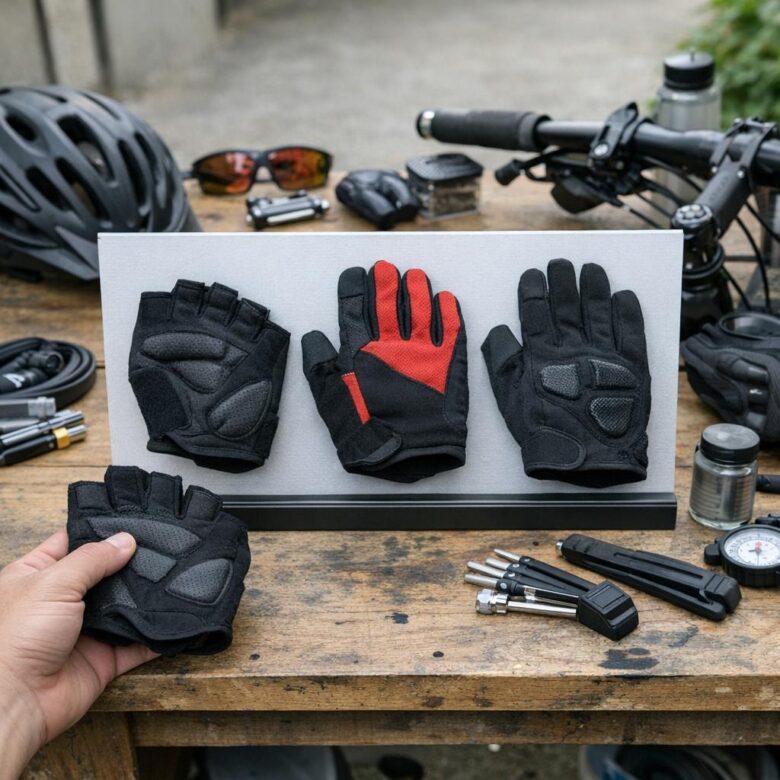
Start with your ride type because road cycling gloves, mountain bike gloves, and commuter cycling gloves solve different problems. For fast road rides, choose lightweight fingerless gloves with breathable fabric and moderate palm padding. For trails, full-finger MTB gloves give better grip, crash protection, and control when braking on rough descents.
Fit matters more than many riders expect. A good cycling glove should feel snug without cutting circulation, and the palm should not bunch up when you hold the bars. If you use a bike computer like Garmin or shift frequently on long climbs, test whether the glove lets your fingers move naturally before buying.
- Short rides under one hour: light padding is usually enough and feels more connected to the handlebar.
- Long-distance or endurance rides: gel or foam padding can reduce pressure on the ulnar nerve and help with hand numbness.
- Wet or cold weather: look for windproof, waterproof, or insulated gloves with touchscreen-compatible fingertips.
In real-world use, too much padding can be a problem. I’ve seen riders buy thick gel gloves for comfort, only to lose bar feel and grip on technical sections. If you ride mixed terrain, a medium-padded glove with a grippy synthetic palm is often the safest choice.
For commuters, visibility and durability are worth paying for. Reflective details, reinforced palms, and easy pull tabs add practical value, especially if you ride daily in traffic or changing weather. The best cycling gloves are not always the most expensive; they are the pair that matches your route, climate, handlebar setup, and riding time.
Common Cycling Glove Mistakes: Overpadding, Poor Sizing, and Wrong Seasonal Choice
One of the biggest cycling glove mistakes is choosing too much padding. Thick gel cycling gloves may look more comfortable, but overpadding can reduce bar feel, increase pressure points, and make hand numbness worse on long road bike rides or indoor training sessions. A better approach is to match padding to your riding style: light padding for performance cycling, moderate palm support for commuting, and targeted shock absorption for gravel or mountain biking.
Poor sizing is another common problem. Gloves that are too tight can restrict circulation, while loose gloves bunch up and cause friction around the palm or between the fingers. If you use a bike fitting service or pressure-mapping tools like Retül, you’ll often see that hand discomfort is not only about the glove-it can also come from handlebar position, grip angle, or saddle setup.
- Check finger length: fingertips should reach the end without pulling tight.
- Test grip position: hold your actual handlebars before buying if possible.
- Watch the wrist closure: it should feel secure, not restrictive.
The wrong seasonal choice can also ruin an otherwise good ride. Summer cycling gloves should be breathable and quick-drying, while winter cycling gloves need insulation, wind protection, and sometimes waterproof fabric. For example, I’ve seen riders buy bulky winter gloves for spring commuting, then struggle with sweaty hands and poor braking control after ten minutes. Choose gloves for the weather you ride in most, not just the coldest or hottest day of the year.
Key Takeaways & Next Steps
Cycling gloves are a small purchase that can make a big difference in comfort, control, and confidence on the bike. The right pair should match how you ride, the weather you face, and the level of padding or grip your hands actually need.
- For short rides: choose lightweight, breathable gloves with reliable grip.
- For long distances: prioritize pressure relief and secure fit.
- For cold or wet conditions: look for insulation, wind protection, or water resistance.
When in doubt, choose fit and function over style-your hands will notice the difference first.

Dr. Sterling Brooks is a Doctor of Mechanical Engineering (PhD) and a high-performance cycling consultant. He specializes in bicycle kinematics and structural integrity, applying advanced engineering principles to simplify complex bike maintenance. His mission is to provide cyclists with the technical expertise needed to ensure their gear is as efficient and reliable as the athletes who ride them.