Your bike chain is probably dirtier-and costing you more watts-than you think.
Every ride grinds dust, grit, road spray, and old lubricant into the links, turning your drivetrain into a slow-wearing paste. Ignore it too long, and shifting gets rough, efficiency drops, and expensive parts wear out faster.
But cleaning too often, using the wrong degreaser, or over-lubricating can be just as wasteful. The right schedule depends on where you ride, how often you ride, and whether your chain sees dry roads, muddy trails, rain, or indoor trainer miles.
This guide breaks down exactly how often to clean and lubricate your bike chain-and how to spot when it needs attention before it starts damaging your drivetrain.
Why a Clean, Lubricated Bike Chain Matters for Speed, Shifting, and Drivetrain Life
A dirty chain does more than look bad. Grit, road grime, and dried lubricant create friction between the chain rollers, cassette, and chainrings, which means more of your pedaling effort is wasted before it reaches the rear wheel.
You feel this most when accelerating, climbing, or trying to hold speed on a long ride. A properly cleaned and lubricated bike chain runs quieter, shifts more smoothly, and helps your drivetrain respond faster under load.
In real-world use, a commuter riding through wet streets may hear squeaking after just a few rainy trips, while a road cyclist using a quality bike chain lubricant can often feel the difference immediately after cleaning. That “smooth” feeling is not just comfort; it usually means less metal-on-metal wear.
- Better shifting: clean chain links move freely across cassette cogs and derailleur pulleys.
- Lower maintenance cost: reduced chain wear helps protect expensive parts like the cassette and chainrings.
- More efficient riding: less friction means easier pedaling, especially on longer routes.
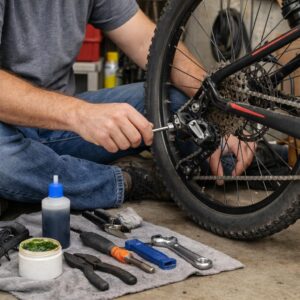
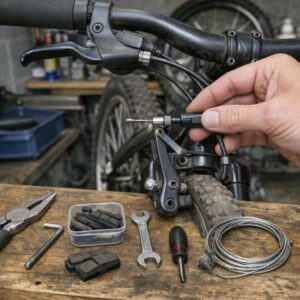
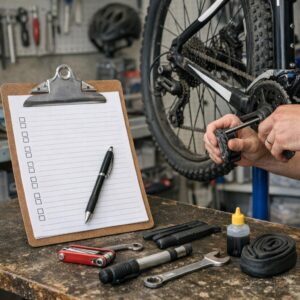
A simple tool like the Park Tool CC-4 Chain Checker can help you spot chain stretch before it damages the rest of the drivetrain. Pair it with a good bicycle degreaser, chain cleaning tool, and the right wet or dry lube for your conditions.
The key is consistency. Re-lubricating a filthy chain only traps abrasive dirt, while cleaning without fresh lube leaves the chain exposed to corrosion and premature wear.
How Often to Clean and Lubricate Your Bike Chain Based on Riding Conditions
Your cleaning schedule should match where and how you ride, not a fixed calendar date. A road bike used on dry pavement may only need chain lubrication every 100-150 miles, while a mountain bike ridden through mud may need cleaning after every ride.
- Dry road riding: Wipe the chain after each ride and apply a quality bike chain lubricant every few rides or when it sounds dry.
- Wet or rainy conditions: Clean and relube after each wet ride because water washes away lubricant and encourages rust.
- Dusty gravel or MTB trails: Degrease more often, especially if the chain feels gritty or leaves black paste on your fingers.
A simple real-world example: if you commute five days a week in city traffic, your chain may collect road grime faster than a weekend road bike, even with fewer miles. In that case, a quick wipe midweek and a deeper clean on the weekend can reduce drivetrain wear and future bike maintenance cost.
Use the right products for the conditions. Wet lube lasts longer in rain but attracts more dirt, while dry lube is cleaner for summer road cycling. A chain cleaner, bike degreaser, and a wear gauge like the Park Tool CC-4 Chain Checker help you know when cleaning is no longer enough and chain replacement is the smarter option.
As a rule, lubricate when the chain gets noisy, looks dry, or shifts less smoothly. Don’t wait until it squeaks. That sound usually means metal-on-metal friction is already happening.
Common Bike Chain Cleaning Mistakes That Cause Wear, Noise, and Poor Performance
One of the biggest mistakes is cleaning the chain only when it looks black and gritty. By then, abrasive dirt may already be wearing the chain, cassette, and chainrings, which can turn a simple drivetrain maintenance job into a higher bike repair cost.
Another common issue is using the wrong cleaner. Harsh household solvents can strip lubricant from inside the rollers, while a quality bicycle degreaser and a chain cleaning tool like the Park Tool CM-5.3 Cyclone Chain Scrubber can clean more evenly without making a mess.
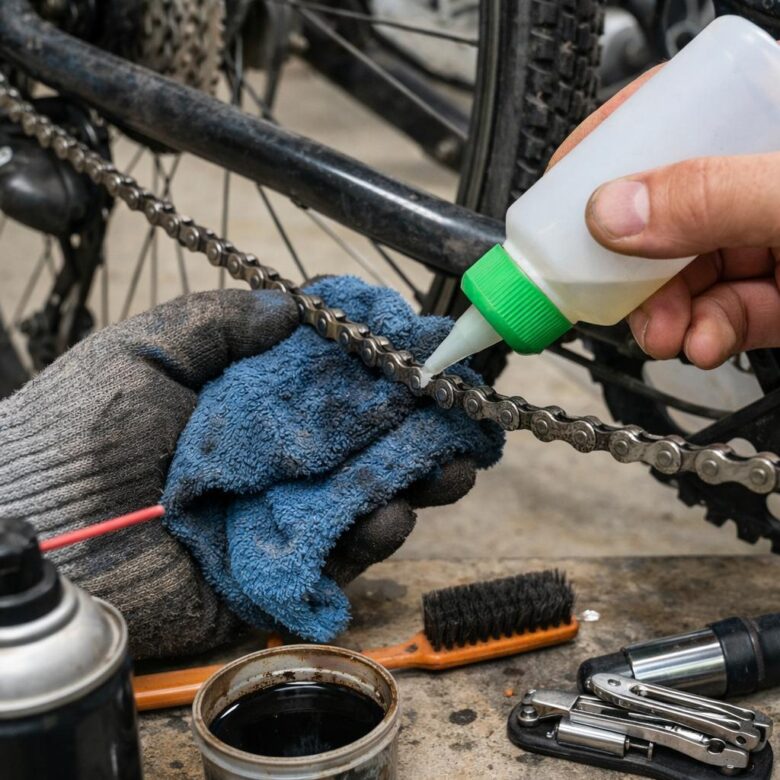
- Over-lubricating: Too much chain lube attracts dust and turns into grinding paste. Apply one drop per roller, let it soak in, then wipe the outside thoroughly.
- Skipping drying time: Lubing a wet chain traps moisture and can cause rust, especially after rainy commutes or bike washing.
- Ignoring chain wear: A clean chain can still be stretched. Use a chain wear indicator before replacing expensive cassette parts.
A real-world example: after a muddy gravel ride, a quick rinse alone is not enough. Mud can sit between the rollers, so using a bike chain cleaner, drying the drivetrain, and applying wet lube is usually a better choice than simply spraying more lubricant over the dirt.
Also avoid pressure washing directly at the chain, bottom bracket, or rear derailleur pulleys. It may look clean fast, but forced water can push grit into bearings and lead to creaks, stiff links, and poor shifting.
Expert Verdict on Bike Chain Cleaning Guide: How Often Should You Clean and Lubricate It?
A clean, well-lubricated chain is not about perfection-it is about protecting drivetrain efficiency and avoiding premature wear. Let conditions, not the calendar alone, guide your maintenance.
- Clean and relubricate sooner after rain, mud, dust, or noisy riding.
- Use a quick wipe-and-lube routine for regular upkeep.
- Deep clean when grime is packed into the rollers or shifting feels rough.
The best decision is simple: if the chain sounds dry, looks dirty, or feels gritty, service it before the next ride. Small, consistent care will always cost less than replacing worn parts early.

Dr. Sterling Brooks is a Doctor of Mechanical Engineering (PhD) and a high-performance cycling consultant. He specializes in bicycle kinematics and structural integrity, applying advanced engineering principles to simplify complex bike maintenance. His mission is to provide cyclists with the technical expertise needed to ensure their gear is as efficient and reliable as the athletes who ride them.