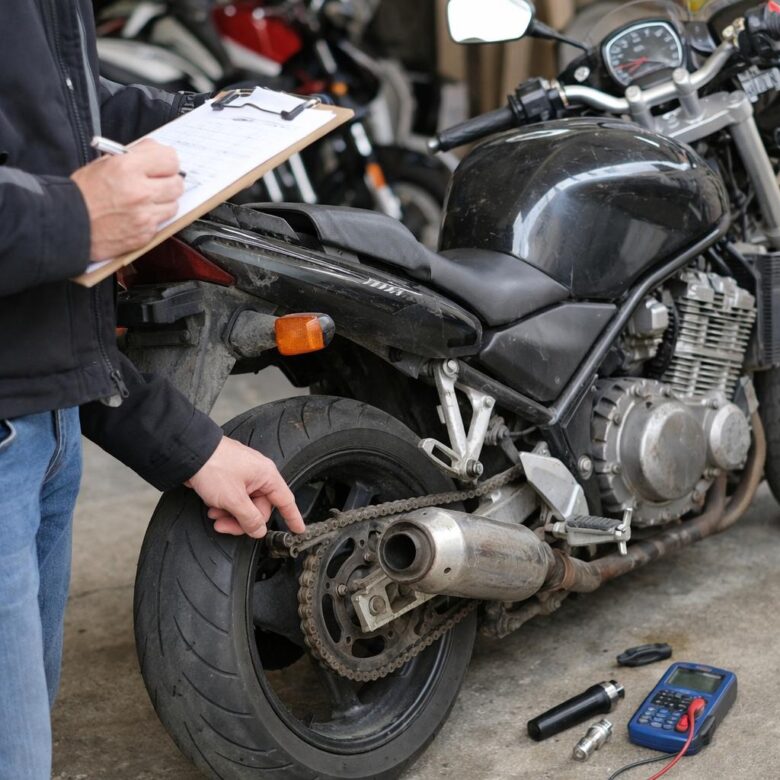
That “great deal” on a used bike could cost you more than buying new.
A shiny frame, fresh polish, or smooth test ride can hide worn bearings, cracked welds, bent wheels, or a stolen-bike risk.
Before you hand over cash, you need to know what to inspect, what questions to ask, and which red flags mean you should walk away.
This guide shows you exactly what to check before you pay, so you can buy a reliable used bike with confidence-not regrets.
Used Bike Inspection Basics: Documents, Ownership History, and First Impressions
Before you touch the engine or take a test ride, verify the paperwork. Match the VIN/chassis number and engine number on the bike with the registration certificate, insurance policy, pollution certificate, and service records. If the seller hesitates or says the documents are “at home,” pause the deal.
Run a quick vehicle history check using a platform like Carfax, AutoCheck, or your local DMV/RTO portal, depending on your country. Look for accident history, theft records, outstanding finance, title status, and odometer inconsistencies. A used bike with a clean title and verified ownership history is usually worth paying more for than a cheaper one with gaps.
- Check if the seller’s name matches the registration document.
- Ask for maintenance invoices, not just verbal claims.
- Confirm there is no unpaid loan, lien, or pending insurance claim.
First impressions matter more than many buyers admit. A bike parked cold, with dusty bodywork but honest wear, often tells more truth than one freshly washed and warmed up before you arrive. For example, I once saw a seller start a motorcycle before inspection; the cold-start smoke was hidden, but oil stains near the exhaust flange gave the problem away.
Also check the seller’s behavior. A genuine owner usually knows service dates, tire age, battery replacement cost, and why they are selling. Vague answers, pressure to pay quickly, or missing keys are warning signs you should not ignore.
How to Check a Used Bike Mechanically Before Paying
Start with a cold engine check, not a bike that has already been warmed up by the seller. A cold start reveals weak battery health, poor fuel injection, worn spark plugs, smoke, and rough idling more honestly than a polished test ride.
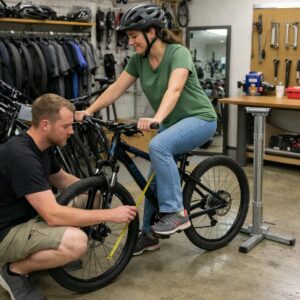
Look under the bike for oil leaks around the engine casing, front forks, rear shock, and brake calipers. If you see fresh cleaning marks near gaskets or seals, be cautious; I’ve seen sellers wash the engine area just before inspection to hide a slow oil leak that becomes obvious after a 10-minute ride.
- Brakes: Check disc thickness, pad life, brake fluid color, and whether the lever feels spongy.
- Chain and sprockets: Look for tight spots, hooked sprocket teeth, rust, or uneven chain slack.
- Suspension: Push down on the front and rear; bouncing, knocking, or oil on fork tubes means repair cost is likely.
During the test ride, shift through every gear, release the clutch slowly, and listen for knocking, ticking, or whining sounds. The bike should track straight without handlebar vibration, and the engine temperature should stay normal in traffic.
Carry a basic tire pressure gauge and a small flashlight, or use a diagnostic scanner like OBDLink MX+ if the motorcycle supports OBD reading. For higher-value bikes, paying for a pre-purchase inspection at an authorized service center is usually cheaper than discovering engine, ABS, or fuel pump problems after payment.
Price Negotiation and Red Flags: Avoiding Costly Used Bike Buying Mistakes
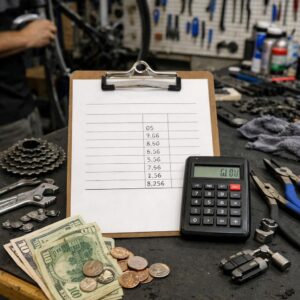
Start negotiation with evidence, not emotion. Check similar listings on Facebook Marketplace, dealer websites, and insurance valuation tools, then factor in repair cost, registration fees, new tires, brake pads, chain replacement, or battery issues before making an offer.
A clean-looking bike can still become expensive if the seller has no service records or avoids basic questions. For example, I’ve seen buyers accept “minor scratches” at face value, only to find bent handlebars, uneven tire wear, and a previous crash repair during a workshop inspection.
- Walk away if the VIN or engine number looks altered, mismatched, or the seller refuses a VIN check.
- Be cautious with “urgent sale” pressure, especially if the price is far below market value.
- Never pay before seeing documents, including title, registration, service history, and loan clearance if applicable.
Use defects as specific negotiation points. Instead of saying “Can you reduce the price?”, say, “The rear tire is near the wear mark and the chain has tight spots, so I’ll need to spend on parts and labor immediately.” That sounds fair and is harder to dismiss.
If the bike is costly or performance-oriented, pay for a pre-purchase inspection at a trusted service center. The inspection fee is small compared with engine repairs, accident damage, or buying a bike with unpaid finance attached. A good deal is not the cheapest price; it is the price that still makes sense after verification.
Closing Recommendations
Buying a used bike is less about finding the cheapest option and more about avoiding the wrong one. If the bike feels unsafe, the paperwork is unclear, or the seller pressures you to decide quickly, walk away.
Pay only when the bike matches three conditions:
- It is mechanically sound and comfortable to ride.
- The ownership, service history, and documents are trustworthy.
- The final price reflects its real condition, not just its appearance.
A careful check today can save you from expensive repairs, legal trouble, and regret later.

Dr. Sterling Brooks is a Doctor of Mechanical Engineering (PhD) and a high-performance cycling consultant. He specializes in bicycle kinematics and structural integrity, applying advanced engineering principles to simplify complex bike maintenance. His mission is to provide cyclists with the technical expertise needed to ensure their gear is as efficient and reliable as the athletes who ride them.