What if the “faster” bike is actually slowing down your everyday life?
Choosing between a road bike and a hybrid bike isn’t just about speed-it’s about how you really ride: commuting, errands, fitness, weekend miles, rough pavement, traffic, and comfort after 30 minutes in the saddle.
A road bike rewards efficiency, distance, and pace, while a hybrid bike prioritizes control, comfort, and practicality. The better choice depends less on which bike looks sportier and more on what your daily rides demand.
In this guide, we’ll compare road bikes vs hybrid bikes for everyday riding so you can pick the one that fits your roads, body, budget, and routine.
Road Bike vs Hybrid Bike: Key Differences in Comfort, Speed, and Riding Position
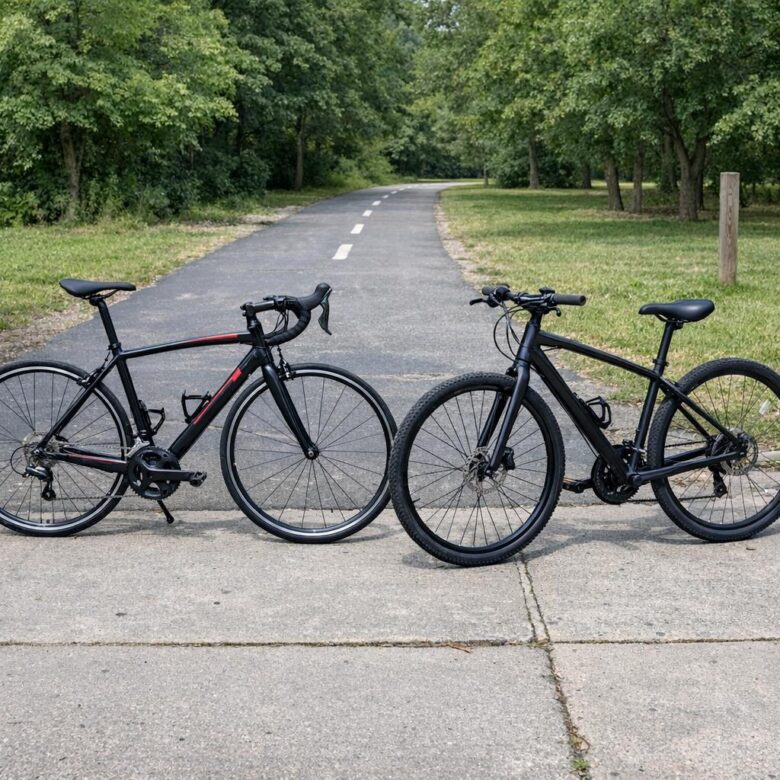
The biggest difference between a road bike and a hybrid bike is how your body feels after 30-60 minutes of real riding. A road bike puts you in a lower, more aerodynamic position, which improves speed but can add pressure to your neck, wrists, and lower back if the bike fit is wrong.
A hybrid bike uses flat handlebars and a more upright riding position, making it easier to look around in traffic and ride comfortably with a backpack or panniers. For everyday commuting, school runs, grocery trips, and casual fitness rides, that relaxed posture often matters more than top speed.
- Comfort: Hybrid bikes usually win for short urban rides, rough pavement, and stop-start traffic.
- Speed: Road bikes are faster on smooth roads, especially over longer distances or group rides.
- Riding position: Road bikes feel sportier; hybrids feel more stable and beginner-friendly.
For example, a 10-mile commute on clean bike lanes may feel quicker on a road bike, especially with lightweight tires and a proper cycling GPS like Garmin Edge. But if the same route includes potholes, curbs, traffic lights, and wet roads, a hybrid with wider tires and hydraulic disc brakes can feel safer and less tiring.
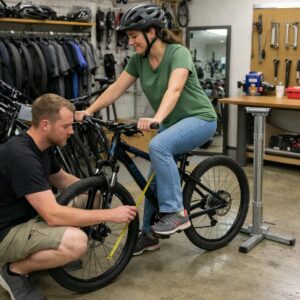
One practical tip: test both bikes while wearing your normal commuting clothes, not just cycling gear. A professional bike fitting, correct saddle height, and the right tire pressure can make either option more comfortable and may save money on future bike maintenance costs.
How to Choose the Better Everyday Bike for Commuting, Fitness, and Errands
Start with your actual weekly riding, not the bike that looks fastest in the shop. If your route includes potholes, curbs, traffic lights, wet roads, or a backpack with groceries, a hybrid bike usually gives better everyday value because it supports wider tires, racks, fenders, and a more upright position.
A road bike makes more sense if most of your miles are on smooth pavement and you care about speed, long-distance fitness, or weekend group rides. For example, a rider commuting 12 miles each way on clean bike lanes may appreciate the efficiency of a road bike, while someone riding 3 miles through busy streets with a laptop bag will likely be happier on a hybrid.
- Choose a hybrid bike if comfort, visibility, cargo racks, lower maintenance cost, and all-weather commuting matter most.
- Choose a road bike if you want faster rides, better climbing efficiency, and a more fitness-focused setup.
- Check fit before price: saddle height, reach, handlebar position, and tire clearance affect daily comfort more than brand hype.
Before buying, map your common routes in Google Maps or Strava and look at road surface, elevation, and traffic stops. Also budget for practical cycling accessories: a quality lock, helmet, rechargeable bike lights, puncture-resistant tires, and basic repair tools often matter more than upgrading to a higher-end drivetrain.
My rule of thumb: if the bike must replace short car trips, pick the one that handles errands without excuses. For most everyday riders, that points to a well-equipped hybrid; for riders who treat commuting as training, a road bike can be the better investment.
Common Buying Mistakes That Make Road Bikes or Hybrid Bikes Less Practical
One common mistake is buying for speed instead of the actual riding routine. A lightweight road bike may look appealing, but if your daily route includes cracked pavement, curbs, office clothes, and a backpack, narrow tires and aggressive geometry can become uncomfortable fast.
Another issue is ignoring fit and setup costs. A good bike fitting service, wider tires, ergonomic grips, mudguards, lights, and a rear rack can make a cheaper hybrid bike more useful than an expensive road bike that needs constant adjustments.
- Choosing the wrong tire clearance: limited clearance reduces comfort and makes winter or rough-road riding harder.
- Skipping accessory compatibility: check mounts for fenders, panniers, bottle cages, and child seats before buying.
- Underestimating maintenance cost: hydraulic disc brakes, performance drivetrains, and tubeless setups may need more specialist service.
A real-world example: a commuter buying a race-style road bike for a 5-mile city ride may end up paying extra for puncture-resistant tires, clip-on lights, and a backpack solution, while still struggling with potholes. In that case, a hybrid with disc brakes, 35-45mm tires, and rack mounts is usually the more practical everyday investment.
Before purchasing, map your regular route on Google Maps or check ride surfaces on Strava. If your route has traffic stops, rough paths, or steep hills, comfort, braking control, and cargo options often matter more than top speed.
Final Thoughts on Road Bike vs Hybrid Bike: Which One Is Better for Everyday Riding?
The better everyday bike is the one that fits your actual routine. Choose a road bike if your rides are longer, faster, and mostly on smooth pavement. Choose a hybrid if comfort, visibility, errands, mixed surfaces, and relaxed handling matter more.
For most casual commuters and daily riders, a hybrid is the safer, more practical default. But if you enjoy speed and fitness-focused riding, a road bike can make every trip feel more efficient. Test-ride both, consider your routes, and pick the bike you’ll genuinely want to ride often-not just the one that looks best on paper.

Dr. Sterling Brooks is a Doctor of Mechanical Engineering (PhD) and a high-performance cycling consultant. He specializes in bicycle kinematics and structural integrity, applying advanced engineering principles to simplify complex bike maintenance. His mission is to provide cyclists with the technical expertise needed to ensure their gear is as efficient and reliable as the athletes who ride them.